
The best answer to how to prevent cavities is simple: use fluoride every day, remove plaque thoroughly, reduce how often your teeth are exposed to sugar and acid, and keep up with regular dental care.
Most cavities are preventable, but some people need added protection such as prescription fluoride, sealants, or closer professional monitoring based on their risk.
If you want to prevent cavities or understand your personal risk more clearly, dental cleanings and checkups can reveal early enamel changes and the areas where plaque tends to hide.
At Farhoumand Dentistry in Vienna, VA, thorough exams and cleanings help patients protect their teeth with a prevention plan tailored to their habits, enamel condition, and cavity history.
Cavities develop when bacteria in dental plaque feed on sugars and starches from food and drinks and then produce acids. Those acids repeatedly pull minerals out of enamel, the hard outer layer of the tooth, and over time can create a permanent hole.
Early mineral loss may show up as a chalky white area. At that stage, it can sometimes be stopped or reversed before a hole forms.
Once tooth structure breaks down, it does not grow back. A dentist will usually need restorative dentistry to repair the damaged area.
Saliva helps protect teeth by neutralizing acids and returning minerals to enamel. Dry mouth, frequent snacking, exposed roots, crowded teeth, braces, and a history of cavities can all make that natural protection less effective.
Brush twice a day for two minutes with a soft-bristled toothbrush and an ADA-accepted fluoride toothpaste. Fluoride strengthens enamel and helps teeth resist acid attacks, so after brushing, spit out the excess toothpaste instead of rinsing thoroughly with water.
Clean between your teeth once a day with floss, interdental brushes, or another device recommended for your mouth. A toothbrush does not reliably clean those contact areas, and cavities often begin there without obvious symptoms.
Both manual and electric toothbrushes can work well when used correctly. An electric brush may help if you have braces, limited dexterity, or trouble brushing thoroughly, and you can find more daily guidance in this perfect oral care routine.
Children usually need hands-on help with brushing until they can clean every tooth surface well on their own. Use an age-appropriate amount of fluoride toothpaste and supervise brushing to reduce swallowing.
Cavity risk depends on frequency as much as quantity. Frequent consumption of soda, sweetened coffee, sports drinks, energy drinks, or juice keeps teeth under repeated acid attack, even if the total amount seems small.
Try to keep sugary or acidic foods and drinks with meals instead of sipping or snacking on them over long periods. Between meals, plain fluoridated tap water is usually the best choice.
Sticky candies, dried fruit, crackers, and other refined carbohydrates can cling to teeth or quickly break down into sugars. If you cannot brush after eating, rinse with water or chew sugar-free gum to support saliva flow, but do not treat that as a substitute for brushing and cleaning between teeth.
Do not brush right after vomiting or after a strongly acidic drink. Rinse with water first and give saliva time to neutralize the mouth before brushing.
Some people have a higher cavity risk than others. Common reasons include frequent past cavities, dry mouth, exposed roots, orthodontic appliances, reduced dexterity, certain medical conditions, and medications that lower saliva flow.
A dentist may recommend professional fluoride varnish or prescription fluoride products based on your age, enamel condition, saliva flow, and cavity history. These products provide more fluoride than standard over-the-counter options and should be used exactly as directed.
Dental sealants are thin coatings placed over the deep grooves of back teeth, where plaque and food often collect. They are especially helpful for cavity-prone permanent molars in children and teenagers, though some adults with deep, intact grooves may benefit as well.
Products marketed with calcium or phosphate may support enamel in some situations, but they do not replace fluoride and proven plaque control. A dentist can help you decide which products are worthwhile for your specific risk level.
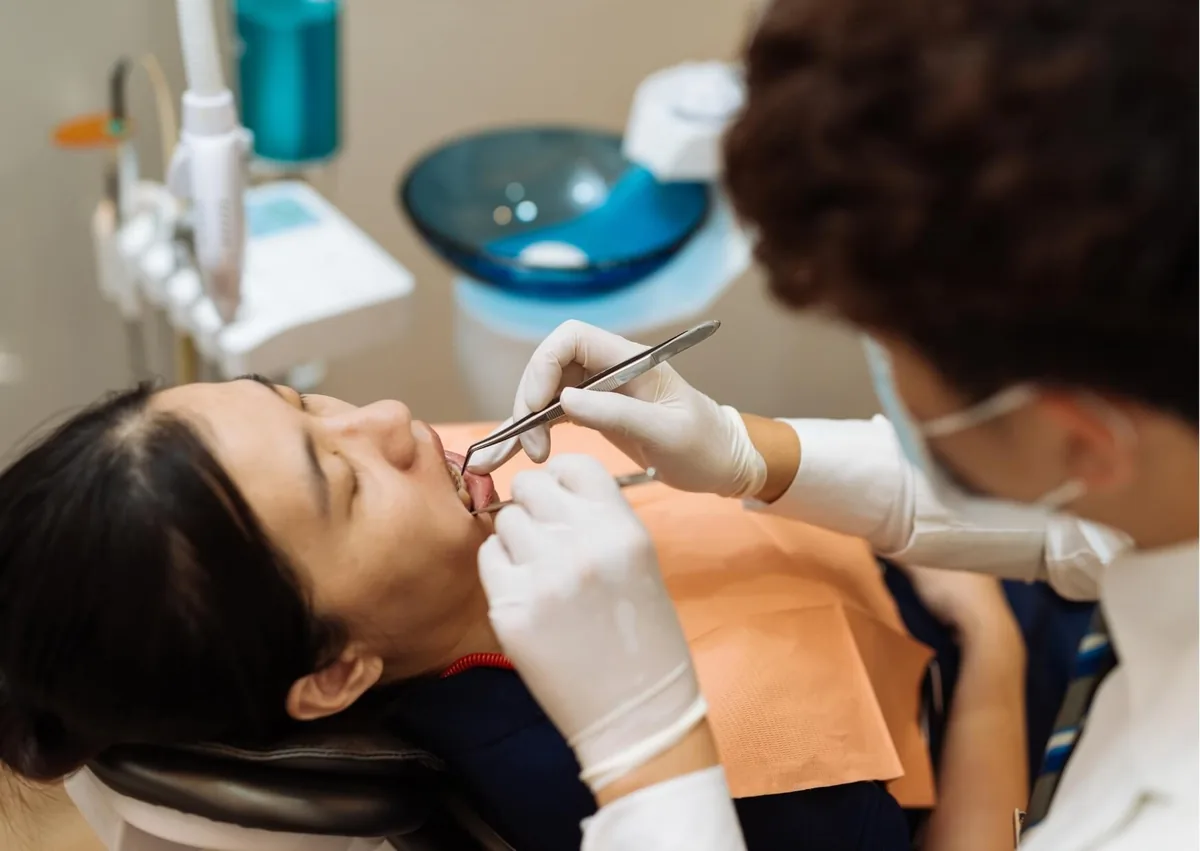
Regular exams help a dental professional find plaque-retention areas, early enamel changes, leaking restorations, and dry-mouth concerns before they become larger problems. This is one reason routine dental appointments remain such an important part of cavity prevention.
Visit frequency should be based on your personal risk rather than a one-size-fits-all schedule. Your general dentistry team may recommend changes to brushing technique, diet timing, fluoride use, sealants, or recall intervals.
Professional dental cleanings and checkups remove hardened buildup that brushing and flossing cannot remove at home. Dental X-rays may also be recommended at appropriate intervals because cavities between teeth or under existing fillings may not be visible during a routine clinical exam.
Prevention works through daily habits and regular follow-up, not through a single treatment. Early enamel demineralization may stabilize with better plaque control and fluoride, while a true cavity will usually continue to grow until it is treated.
Sensitivity, roughness, or dark discoloration does not always mean you have a cavity. Some cavities cause no symptoms at all, which is why an exam is the right way to determine whether an area needs monitoring, fluoride treatment, a filling, or another type of care.
Seek prompt dental evaluation if you have persistent tooth pain, lingering sensitivity, pain when biting, a broken tooth, or visible swelling. Facial swelling, fever, confusion, rapidly worsening symptoms, or trouble breathing or swallowing require urgent evaluation, and breathing or swallowing difficulty warrants emergency care.
The most effective next step is to stay consistent with the basics and ask a dentist to assess your individual risk. A personalized plan can focus on the surfaces, habits, and preventive products most likely to protect your teeth over time.
For a clear, personalized prevention plan and professional removal of buildup, arrange a dental cleaning and checkup to identify risks and next steps for your teeth. Farhoumand Dentistry in Vienna, VA focuses on dental cleanings and checkups for patients from Tysons Corner and Arlington; call (703) 636-2442 to schedule.
Very early mineral loss can sometimes be reversed or arrested before the enamel surface collapses. Once a true hole forms, the lost tooth structure cannot regenerate, and restorative treatment is usually needed.
Fluoride mouthwash can add protection for some people, but it does not replace brushing or cleaning between teeth. Ask a dentist whether it makes sense for your needs, especially for a young child or someone with higher cavity risk.
Cleaning between teeth removes plaque and food from areas a toothbrush does not reach well. That can reduce the conditions that lead to cavities between teeth while also supporting gum health.
A sugar-free drink may not feed cavity-causing bacteria the same way a sugary drink does, but acidic and carbonated beverages can still contribute to enamel erosion. Plain water is still the best routine choice between meals.
The right interval depends on cavity history, gum health, age, dry mouth, medical factors, and current findings. Some patients need shorter intervals, while others with stable oral health may be seen less often.