
Braces usually cost about $3,000 to $8,000 in the United States, but some cases fall below or above that range. The final price depends on the type of braces, how complex the tooth and bite movement is, how long treatment lasts, local fees, and what insurance helps cover. The most accurate estimate comes from a personalized orthodontic evaluation.
If you prefer a less noticeable alternative to metal braces while comparing costs and treatment time, Invisalign can be a practical option. Farhoumand Dentistry in Vienna, VA provides expert Invisalign care to support discreet, predictable tooth movement and clear comparisons with traditional braces.
The type of appliance is one of the biggest factors in cost. Traditional metal braces are often the most affordable fixed option, while ceramic braces, lingual braces, and clear aligners may cost more.
These are broad national estimates, not guaranteed fees:
|
Treatment Option |
Typical Estimated Cost |
Practical Considerations |
|---|---|---|
|
Metal braces |
$3,000 to $7,000 |
Durable and effective for many simple and complex cases |
|
Ceramic braces |
$4,000 to $8,000 |
Less noticeable, but brackets may be more fragile |
|
Lingual braces |
$8,000 to $13,000 |
Hidden behind teeth; not ideal for every case |
|
Clear aligners |
$3,000 to $8,500 |
Removable; success depends heavily on consistent wear |
One office may include more services than another, so the same price range does not always mean the same value. Ask whether the quoted fee includes records, routine visits, emergency repairs, refinements, retainers, and follow-up care after active treatment.
Case complexity and treatment time usually affect cost the most. Mild crowding may need fewer visits and less time than a significant overbite, underbite, crossbite, impacted tooth, or jaw-growth issue.
Other factors that can change the price include:
Age alone does not determine cost. Adults can have very predictable treatment, but previous dental work, gum disease, bone loss, or missing teeth can make planning more involved.
Braces can help children, teens, and adults with crowded teeth, gaps, rotated teeth, and bite problems. Treatment may improve smile appearance, make teeth easier to clean, reduce uneven wear, and support better bite function.
Healthy teeth and gums matter before treatment starts. Cavities, active gum disease, and poor oral hygiene often need to be treated first because braces and attachments create more areas where plaque can collect.
An evaluation usually includes an exam, photos, digital scans or impressions, and appropriate X-rays. These records help the clinician assess tooth position, roots, bone support, jaw relationships, and growth when relevant.
A comprehensive orthodontic fee often includes appliance placement, routine adjustment visits, progress checks, and removal at the end of treatment. Some offices also include diagnostic records and one set of retainers, while others bill those separately.
Ask for a written financial agreement before starting care. It should show the full treatment fee, what is included, and whether the price can change if treatment takes longer than expected.
Related dental care is often billed separately. Cleanings, fillings, gum treatment, extractions, treatment for impacted teeth, or jaw surgery may involve separate providers and separate insurance claims.
Dental insurance may help pay for braces, but benefits vary widely. A plan may cover a percentage of treatment up to a lifetime maximum, include a waiting period, limit coverage by age, or require an in-network provider.
Orthodontic benefits are often paid in installments while treatment is active instead of as one lump sum. If insurance changes during treatment, the total amount paid may change too, so it is smart to confirm both current benefits and continuation rules.
Many offices also offer monthly payment plans after an initial deposit. Flexible spending accounts and health savings accounts may help with eligible orthodontic expenses, depending on plan and tax rules.
The least visible option is not always the best clinical or financial choice. Fixed braces work continuously and may offer more predictable control for certain rotations, root movements, impacted teeth, and complex bite corrections.
Clear aligners can be removed for meals and brushing, but they usually need to be worn about 20 to 22 hours a day when prescribed. Systems such as Invisalign offer clear aligner treatment with different pricing structures and refinement policies.
Read about the benefits of Invisalign to better understand the practical advantages patients often consider when comparing aligners with braces.
Lost trays, inconsistent wear, or added refinement trays can extend treatment and may affect total cost. A low advertised fee may also reflect limited treatment rather than full correction of tooth alignment and bite function.
For minor front-tooth appearance concerns, cosmetic options such as veneers may sometimes improve appearance without full orthodontic movement. A clinician should recommend the option that best fits the needed tooth movement, oral health, lifestyle, and likelihood of following instructions.
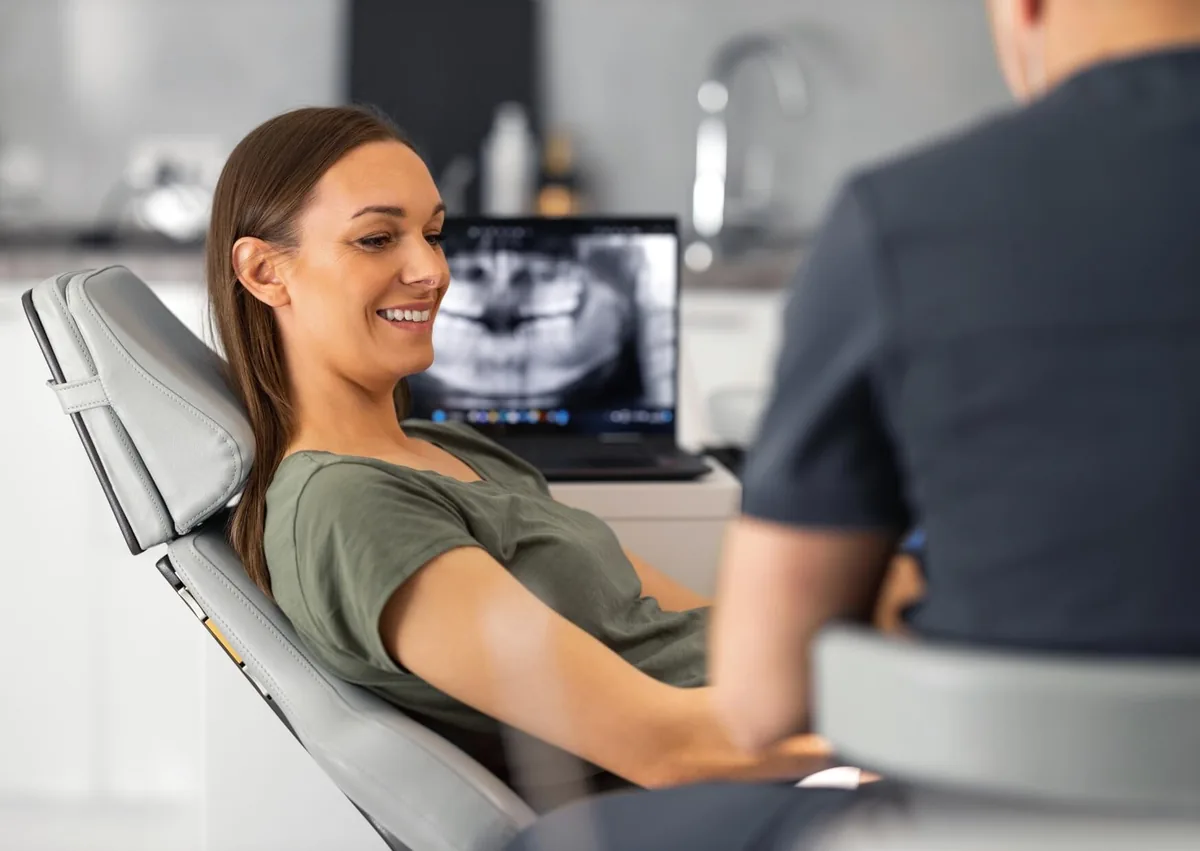
Many comprehensive cases take about 12 to 30 months. Minor movement may take less time, while more complex correction may take longer.
Treatment length depends on growth, tooth response, appointment attendance, oral hygiene, appliance breakage, and aligner wear. Even after treatment ends, long-term maintenance still matters.
Teeth can shift after treatment. Retainers are an essential long-term part of protecting the result, and they may eventually need repair or replacement.
Braces should not cause severe or steadily worsening pain. Contact the treating office promptly for a loose band, broken wire, significant swelling, injury, or an appliance that prevents normal eating or closing the mouth, and seek urgent medical care for trouble breathing or swallowing.
The best way to compare treatment is to schedule a comprehensive orthodontic evaluation or a dental exam and request a written treatment plan. Compare the diagnosis, expected outcome, timeline, total fee, included services, insurance assumptions, and retention plan rather than looking at monthly payments alone.
If recommendations differ a lot, a second opinion can help clarify the best path. The right plan should support oral health and bite function while giving you clear expectations about cost and retention.
To get a personalized cost comparison and clear treatment recommendation, schedule a short consultation to review whether Invisalign or traditional braces best meets your functional and cosmetic goals. Contact Farhoumand Dentistry for Invisalign treatment consultations in Vienna, near Tysons Corner and McLean, VA; call (703) 636-2442 to arrange your visit.
Not necessarily. Cost usually depends more on case complexity, appliance type, and treatment length than on age.
Some plans cover part of orthodontic treatment, often with age limits, waiting periods, deductibles, and a lifetime maximum. Review your plan details and ask the insurer for a written estimate of benefits.
Sometimes, but it varies by office. Ask whether the quoted fee includes retainers, follow-up checks, and future replacement if a retainer is lost or damaged.
Many practices offer installment plans, often after an initial deposit. Confirm the total fee, payment period, financing terms, and what happens if treatment ends earlier or later than expected.
Price alone does not determine safety or quality. Orthodontic treatment should include a proper exam, diagnostic records, ongoing supervision, and a retention plan from a licensed dental professional.