
How long after fluoride treatment can I eat? In most cases, wait about 30 minutes before eating or drinking, then choose soft, cool, or lukewarm foods and avoid hot, hard, sticky, or acidic items for several hours if fluoride varnish was used. Because instructions vary by product, the safest rule is to follow the timing given by the dental team that applied it.
If you are getting fluoride during a routine visit, such as a dental check-up and cleaning, it helps to know what to expect before you leave the office. Clear aftercare instructions make it easier to protect the treatment and avoid accidentally removing it too soon.
If you're preparing for a fluoride varnish or deciding whether professional fluoride is right for you or your child, understanding timing and aftercare helps protect the treatment's benefit. Farhoumand Dentistry in Vienna, VA provides general dentistry that explains product-specific instructions and practical care steps so patients leave appointments confident about eating, drinking, brushing, and follow-up.
Professional fluoride treatments strengthen enamel by placing a concentrated form of fluoride directly on the teeth. They are commonly offered as part of routine preventive care in general dentistry.
Fluoride varnish is now the most common in-office option because it adheres quickly and is often applied during dental cleanings. Gels, foams, and rinses can have different eating and drinking instructions.
|
Fluoride Treatment |
Typical Eating Guidance |
Practical Expectations |
|---|---|---|
|
Varnish |
Often wait 30 minutes |
Choose soft foods and avoid hot, hard, or sticky items for several hours if instructed |
|
Gel or foam in trays |
Commonly wait 30 minutes |
Avoid eating, drinking, and rinsing during the full waiting period |
|
Professional rinse |
Often wait 30 minutes |
Do not eat or drink until the recommended time has passed |
|
Home fluoride product |
Follow the label or prescription |
Directions differ among toothpaste, rinses, and prescription gels |
These are general guidelines, not universal rules. Some varnishes may allow immediate water or food, while others should remain undisturbed longer.
For fluoride varnish, many offices advise waiting at least 30 minutes before eating or drinking. After that, soft foods are usually the best choice because they are less likely to disturb the coating.
Good options often include yogurt, applesauce, mashed potatoes, scrambled eggs, pasta, oatmeal, and soup that has cooled. Soft sandwiches can also work if they do not require much chewing.
For the next several hours, many dentists recommend avoiding:
Your teeth may feel slightly rough or look dull or yellowish for a short time. That is usually the varnish itself and often improves after brushing at the time your dentist recommends.
Fluoride varnish hardens when it contacts saliva, but it continues releasing fluoride while it stays on the tooth surface. Eating too soon can shorten that contact time and reduce how long the fluoride remains in place.
Hot, crunchy, or sticky foods are the most likely to disturb the coating. That is why the first meal after treatment should usually be gentle and easy to chew.
If you accidentally eat too early, it is usually not an emergency. Do not try to reapply anything at home, and contact the dental office if you are unsure whether the treatment was affected.
Whether you can drink water right away depends on the fluoride product used. Some varnishes allow water sooner, while gels, foams, and rinses may require a full period with no food or drink.
Brushing and flossing may also need to wait for several hours. In some cases, patients are told to wait until later that day or even until the next morning.
After the advised period, return to regular brushing with fluoride toothpaste and clean between the teeth daily. For more home-care guidance, see the perfect oral care routine.
Professional fluoride adds protection, but it does not replace daily oral hygiene, a balanced diet, or routine dental visits. It works best as part of a consistent preventive plan.
Fluoride treatment is not only for children. Adults and children may benefit if they have a higher risk of cavities or signs of early enamel weakness.
A dentist may recommend it for patients with dry mouth, exposed roots, orthodontic appliances, frequent sugar or acid exposure, recurrent decay, or early demineralization. It is also commonly used when a patient needs extra cavity prevention between routine visits.
The process is quick and noninvasive. The teeth are dried, the fluoride is applied with a small brush or tray, and anesthesia is usually not needed.
Fluoride can help strengthen enamel and support remineralization in very early weak areas. It cannot repair a true cavity once a hole has formed in the tooth.
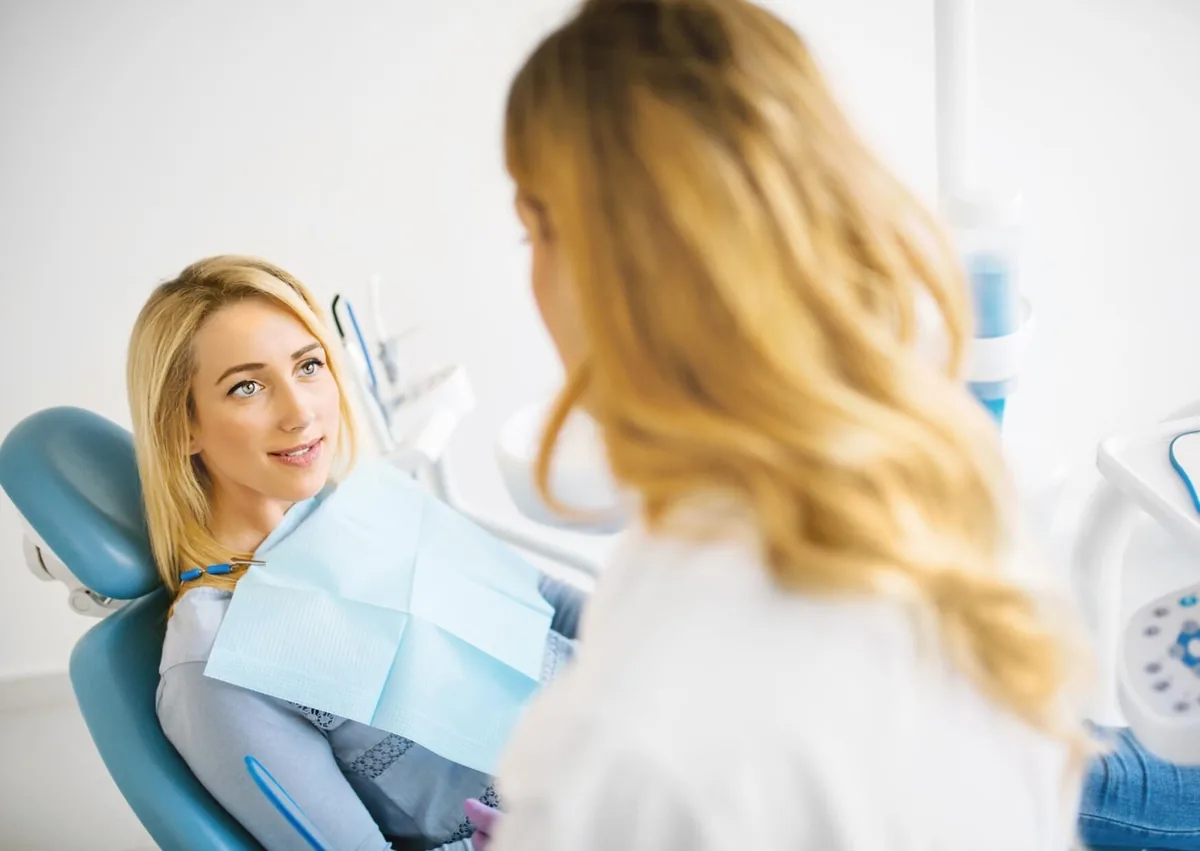
A temporary coating, mild taste, or slightly rough texture is usually expected after fluoride varnish. Contact the office if the instructions are unclear, the coating seems to come off right away, or you notice persistent irritation or worsening tooth pain.
Serious reactions are uncommon, but trouble breathing, swelling of the face or throat, widespread hives, repeated vomiting, or difficulty swallowing needs urgent medical attention. For routine concerns, your dentist can confirm which fluoride product was used and tell you when it is safe to eat, drink, brush, and floss.
Before leaving your appointment, ask exactly how long you should wait before eating and whether any foods should be avoided for the rest of the day. That simple step helps you get the full benefit of treatment.
For personalized timing and to ensure fluoride treatment is integrated with your preventive care, confirm product-specific instructions with your dental team. Contact Farhoumand Dentistry for general dentistry in Vienna, VA and nearby Tysons Corner, VA or McLean, VA to schedule or call (703) 636-2442.
It depends on the product. Some varnishes may allow water immediately or after a short delay, while gels, foams, and rinses commonly require waiting about 30 minutes.
Eating right away may remove some of the varnish, especially if the food is hot, hard, or sticky. It is usually not dangerous, but you should contact the dental office if you think the treatment came off too soon.
Wait at least as long as your dental office recommends, which is often 30 minutes. If varnish was used, delaying hot coffee for several hours may help avoid disturbing the coating.
Do not brush until the recommended time. Depending on the product, that may be later the same day or the next morning.
Yes, children can usually eat after the stated waiting period. Soft, cool, or lukewarm foods are typically the easiest choice, and hard or sticky foods should be avoided for the time your dentist recommends.


