
A dry mouth usually means your salivary glands are not making enough saliva, or your mouth is losing moisture faster than it can be replaced. Short-term dryness often comes from dehydration, mouth breathing, stress, caffeine, or alcohol, while ongoing dry mouth is more often linked to medications, health conditions, or salivary gland problems.
Because persistent dry mouth can raise your risk of cavities, gum irritation, and oral infections, it is worth evaluating instead of treating with water alone.
If persistent dry mouth is reducing your comfort or increasing your dental risk, an exam with general dentistry can clarify likely causes and begin protective care. Farhoumand Dentistry in Vienna, VA offers comprehensive evaluation and tailored preventive strategies to protect teeth and reduce symptoms.
Water can moisten your mouth for a few minutes, but it cannot replace saliva. Saliva continuously lubricates the mouth, begins digestion, balances acids, supports taste and swallowing, and helps control harmful bacteria and fungi.
Dry mouth, also called xerostomia, is the feeling that your mouth is dry. Hyposalivation means saliva production is actually low, and some people have one or both.
The timing of symptoms can offer clues. Dryness that happens mostly at night may point to mouth breathing, nasal congestion, snoring, or sleep apnea treatment needs, while dryness that starts after a medication change may suggest a side effect.
Many medicines can reduce saliva flow. Common examples include some antihistamines, decongestants, antidepressants, anti-anxiety medicines, blood pressure drugs, bladder-control medicines, muscle relaxants, and certain pain medicines.
Other possible causes include:
Dry mouth does not point to one single diagnosis on its own. A dentist or physician may need to review your symptoms, medications, and health history to identify the most likely cause.
Dry mouth may feel sticky, thick, or cotton-like. It can make speaking, chewing, swallowing, or wearing dentures less comfortable.
Some people also notice stringy saliva, cracked lips, altered taste, bad breath, a burning feeling, or frequent thirst. These symptoms are common, but they should not be ignored when they keep coming back.
Without enough saliva, acids and food debris stay on the teeth longer. Persistent dry mouth raises the risk of rapid tooth decay, especially near the gumline and on exposed roots, along with gum inflammation and oral thrush. Learn more about the importance of gum health.
You may also notice sore tissues, split corners of the mouth, recurring mouth ulcers, or sensitivity to spicy and acidic foods. These changes are not simply a normal part of aging.
Evaluation usually starts with a detailed history. Your dentist may ask when the dryness began, whether it changes during the day, and whether it affects sleep, eating, or speaking.
Bring a full list of prescription medicines, over-the-counter products, vitamins, supplements, nicotine products, and recreational substances. That information can be essential when medication-related dry mouth is suspected.
Your dentist may check saliva flow and consistency, examine the salivary gland openings, and look for cavities, gum disease, tissue irritation, or fungal infection. In some cases, saliva-flow testing, imaging, lab work, medication review with your prescriber, or referral to a physician or specialist may be appropriate. A dentist providing general dentistry care can coordinate these steps and arrange referrals when needed.
Not everyone needs extensive testing. The workup depends on how long symptoms have lasted, how severe they are, and whether other signs are present, such as dry eyes, gland swelling, increased urination, or unexplained fatigue.
Treatment depends on the cause and on how much salivary function remains. Relief matters, but protecting your teeth and identifying the reason for the dryness are just as important.
|
Option |
What It May Do |
Practical Expectation |
|---|---|---|
|
Frequent sips of water |
Temporarily moistens the mouth |
Helpful for comfort but does not replace saliva’s protective effects |
|
Sugar-free gum or lozenges |
Stimulates glands that still function |
Products containing xylitol may help; avoid choking risks |
|
Saliva substitute |
Lubricates dry tissues |
Relief is temporary, so repeat use is often needed |
|
Alcohol-free dry-mouth rinse |
Adds moisture without alcohol’s drying effect |
Choose a product made specifically for dry mouth |
|
Humidifier and nasal care |
May reduce overnight dryness related to dry air or mouth breathing |
The underlying breathing issue may still need medical evaluation |
|
Professional preventive care |
Helps limit cavities and monitor tissue changes |
A dentist may recommend fluoride products and more frequent follow-up, including regular dental cleanings. |
|
Prescription treatment |
May stimulate saliva in appropriate patients |
Requires clinician review because side effects and contraindications are possible |
Sugar-free gum can help if chewing and swallowing are safe for you. It is also smart to limit tobacco, cannabis, alcohol-containing mouthwash, frequent alcohol use, and excess caffeine, since all can worsen dryness.
Choose water instead of sipping soda, juice, sports drinks, or other sweetened beverages throughout the day. When saliva is limited, frequent sugar and acid exposure can damage teeth faster.
Do not stop or change a prescribed medication on your own. If a medicine is contributing to dry mouth, the prescriber may sometimes adjust the dose, timing, or medication choice safely.
Follow a perfect oral care routine by brushing twice a day with fluoride toothpaste, cleaning between the teeth daily, and keeping dental visits at the interval recommended for your risk level. These steps become even more important when saliva is reduced.
A dentist may recommend higher-fluoride toothpaste, fluoride varnish, or other preventive measures if your cavity risk is elevated. If dry mouth has already led to cavities or other damage, restorative dentistry can repair teeth and restore comfort and function.
If you wear removable dentures, clean them as directed and remove them at night unless your dentist tells you otherwise. Dry tissues can make dentures feel sore or loose, and that may require an adjustment rather than more adhesive.
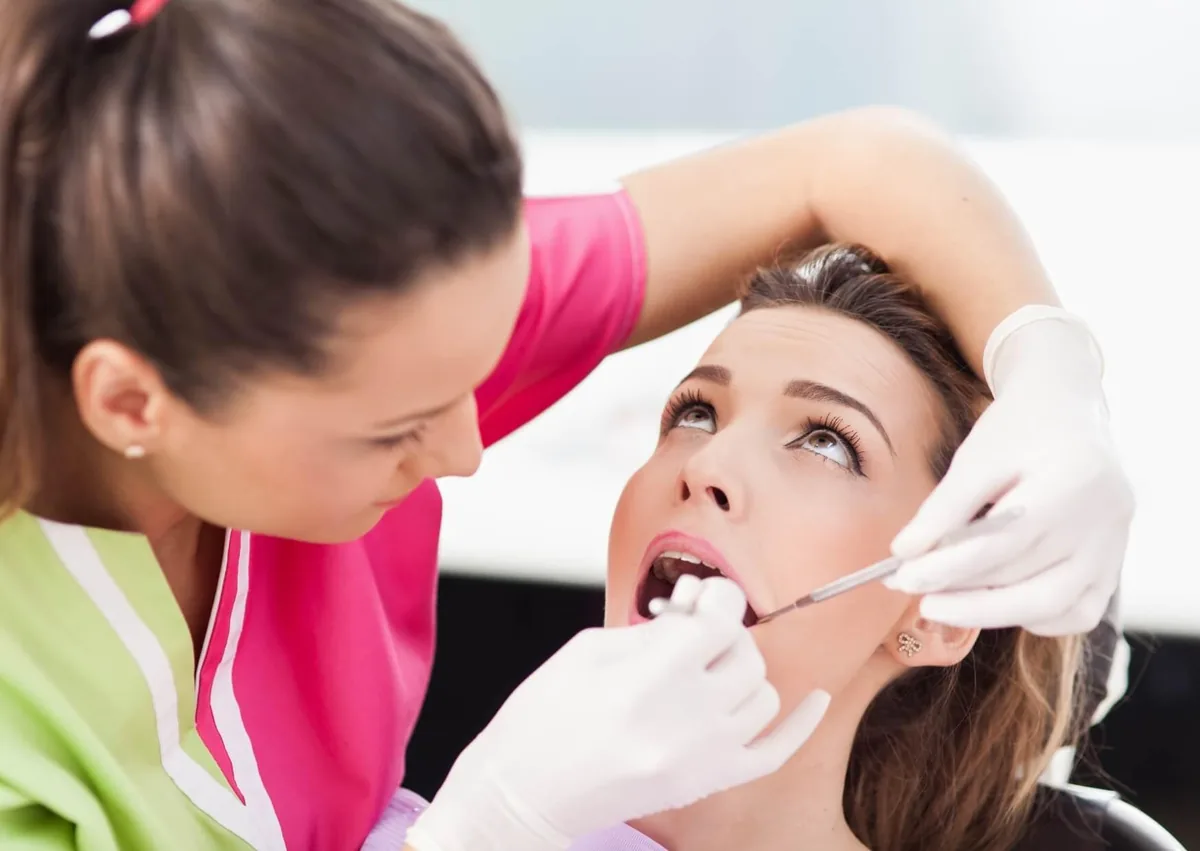
Schedule an evaluation if dry mouth lasts more than a couple of weeks, keeps returning, gets worse, or interferes with sleep, speech, eating, swallowing, or dental comfort. Earlier care also makes sense if you notice new cavities, mouth burning, white patches, persistent sores, dry eyes, gland swelling, or concerns after starting a medication.
Seek prompt medical care for difficulty breathing or an inability to swallow liquids. Rapid swelling of the face or neck, severe weakness, confusion, very limited urination, or signs of a serious allergic reaction also need urgent attention.
A dental exam can catch damage that may not hurt yet and can start a prevention plan while the cause is being investigated. Coordinated care between your dentist, primary care clinician, prescribing clinician, and any needed specialists often gives the best chance of lasting relief.
Arrange an exam to identify the cause of persistent dry mouth, assess decay risk, and begin targeted prevention to protect teeth and oral comfort. Contact Farhoumand Dentistry for general dentistry in Vienna, VA and nearby McLean, VA to schedule an evaluation; call (703) 636-2442.
Yes. Mild dehydration can cause temporary dryness, while more severe dehydration may also cause dizziness, weakness, dark urine, or reduced urination. If your mouth stays dry even when you are drinking enough fluids, another cause may be involved.
Nighttime dry mouth often relates to mouth breathing, nasal congestion, snoring, sleep apnea, medication effects, or low humidity. Loud snoring, witnessed pauses in breathing, morning headaches, or major daytime sleepiness should be medically evaluated.
Yes. Anxiety can temporarily reduce saliva and increase mouth breathing. If the dryness is frequent or constant, it still deserves evaluation because anxiety can overlap with dehydration, medication effects, or another health issue. See tips to soothe dental anxiety.
It can be. Dry mouth may occur with diabetes, especially when high blood sugar increases thirst and urination, but dry mouth alone cannot diagnose diabetes. A medical clinician can decide whether blood glucose testing is appropriate.
Small sips of water, sugar-free gum, sugar-free lozenges, and saliva-substitute products may help in the short term. Avoid sugary or acidic candies and drinks, because they can increase cavity risk when saliva is reduced.


