
A smile makeover before and after comparison can show real improvements in tooth color, shape, spacing, alignment, and overall smile balance. The most natural-looking results usually come from a personalized smile makeover plan that treats oral health first, preserves healthy tooth structure when possible, and sets clear expectations for what each procedure can and cannot change.
If you want to improve tooth color, shape, or alignment without guessing which treatment makes the most sense, a smile makeover can turn those concerns into a clear, personalized plan. At Farhoumand Dentistry in Vienna, VA, patients receive coordinated guidance that protects oral health, conserves tooth structure, and helps them understand realistic before-and-after results.
A smile makeover is not a single procedure. It is a customized treatment plan that combines cosmetic and restorative care to improve concerns such as stains, chips, worn edges, small gaps, uneven teeth, visible fillings, missing teeth, or excess gum display.
Common options include teeth whitening, dental bonding, porcelain veneers, crowns, Invisalign clear aligners or braces, gum contouring, and replacement of missing teeth. If missing teeth are part of the plan, it may also help to review the cost of dental implants.
Some patients need only one treatment. Others benefit from a carefully staged plan that improves both appearance and function.
The goal is not simply brighter or straighter teeth. A well-designed makeover should support natural proportions, comfortable function, and long-term oral health while fitting the patient’s face, bite, and preferences.
Good candidates usually have healthy gums, manageable cavity risk, and clear cosmetic goals. If there is decay, gum disease, infection, unstable teeth, or a significant bite problem, those issues usually need treatment before elective cosmetic work begins.
Clenching and grinding also matter. These forces can chip bonding, fracture porcelain, and speed up wear, so a dentist may recommend bite correction, orthodontics, or a night guard as part of the plan.
Age alone does not decide candidacy. The condition of the teeth, gums, bone, bite, medical history, and ability to maintain the result are more important.
A smile makeover usually starts with a comprehensive exam, photographs, and dental X-rays when needed. The dentist may also evaluate tooth proportions, gum levels, lip movement, bite contacts, existing dental work, and how much enamel is available.
It helps to explain what you like and dislike about your smile instead of asking for one specific procedure first. That gives the dentist a better chance to match the concern to the right solution, whether that is whitening, bonding, orthodontics, veneers, crowns, gum treatment, or a combination.
Digital previews, models, or temporary mock-ups can help show the proposed shape and length of the teeth. Still, a digital preview is not a guarantee of the final result because healing, materials, soft tissue changes, and anatomy can affect the outcome.
Before and after photos can help you understand the type of change a treatment may produce. The most useful examples show patients with starting conditions similar to yours, consistent lighting, and a clear explanation of which procedures were performed.
Tooth color can look different because of camera settings, lighting, image editing, lipstick, or temporary dehydration of the teeth. A dramatic result may also reflect several procedures rather than one treatment alone.
It is also worth asking whether the images show temporary restorations, immediate post-treatment results, or fully healed outcomes. Gum tissue often needs time to settle, and final restorations may look different from provisionals.
|
Treatment |
Often Used For |
Tooth Alteration |
Typical Practical Considerations |
|---|---|---|---|
|
Generalized staining or darkening |
None |
Does not change the color of fillings, crowns, or veneers; sensitivity may occur. For more guidance, see at-home teeth whitening. |
|
|
Dental bonding |
Small chips, gaps, uneven edges, or localized discoloration |
Usually minimal |
Often completed quickly; may stain or chip sooner than porcelain |
|
Porcelain veneers |
Shape, color, size, spacing, or multiple visible concerns |
Usually requires some enamel preparation |
Durable and stain-resistant, but generally irreversible |
|
Heavily restored, cracked, weak, or substantially misshapen teeth |
More extensive preparation |
Covers the full visible tooth and is usually better for teeth that also need structural protection; see Cerec crowns. |
|
|
Orthodontics |
Crowding, spacing, rotations, and some bite problems |
No removal of tooth structure in most cases |
Takes longer but may reduce or eliminate the need for restorative reshaping |
|
Gum contouring |
Uneven gum margins or excess gum display |
Changes gum tissue and sometimes supporting bone |
Requires careful planning to protect gum health and tooth proportions |
Whitening and bonding can be conservative choices for limited concerns. Veneers may address several visible issues at once, while crowns are usually more appropriate when a tooth also needs strength and protection.
Orthodontic treatment often takes more time, but it can move teeth into healthier positions and preserve enamel. If aligners are part of your decision, review the benefits of Invisalign to understand how it may fit into a broader smile plan.
In some cases, short-term orthodontics followed by whitening or minor bonding is more conservative than preparing several teeth for veneers. That is one reason treatment sequencing matters.
Final results depend on the starting condition, the treatments selected, the number of teeth involved, gum position, bite, materials, and healing response. The most natural cosmetic dentistry usually includes slight variation in translucency, texture, contour, and color rather than making every tooth look identical.
Whitening can brighten natural enamel, but it may not fully correct deep internal discoloration. Bonding can reshape teeth conservatively, while veneers and crowns offer more control over color and form but involve greater cost, more treatment, and future maintenance.
No cosmetic restoration lasts forever. Bonding may need repair or polishing, whitening may need touch-ups, and veneers or crowns may eventually need replacement because of wear, fracture, gum changes, or recurrent decay.
A simple whitening or bonding plan may take one visit or a few short visits. Orthodontics, implants, gum procedures, or coordinated restorative care may take several months or longer, especially when healing time is needed between stages.
Some temporary sensitivity, gum tenderness, or bite adjustment is normal after certain procedures. Persistent pain, increasing swelling, fever, drainage, a loose restoration, or a bite that feels clearly off should be reported promptly, and facial swelling that affects breathing or swallowing needs urgent medical care.
Before treatment starts, ask for a written plan that outlines the sequence, fees, maintenance needs, and alternatives. It is also reasonable to ask what happens if the color, shape, speech, or bite needs refinement before final restorations are completed.
Daily brushing with fluoride toothpaste, interdental cleaning, and regular preventive visits help protect both natural teeth and restorations. Managing dry mouth, cavity risk, and harmful habits such as chewing ice, biting nails, smoking, or opening packages with teeth also matters.
Patients who clench or grind may need a professionally fitted appliance after treatment. Regular exams help a dentist catch early wear, gum inflammation, decay around restoration margins, or bite changes before they become larger problems.
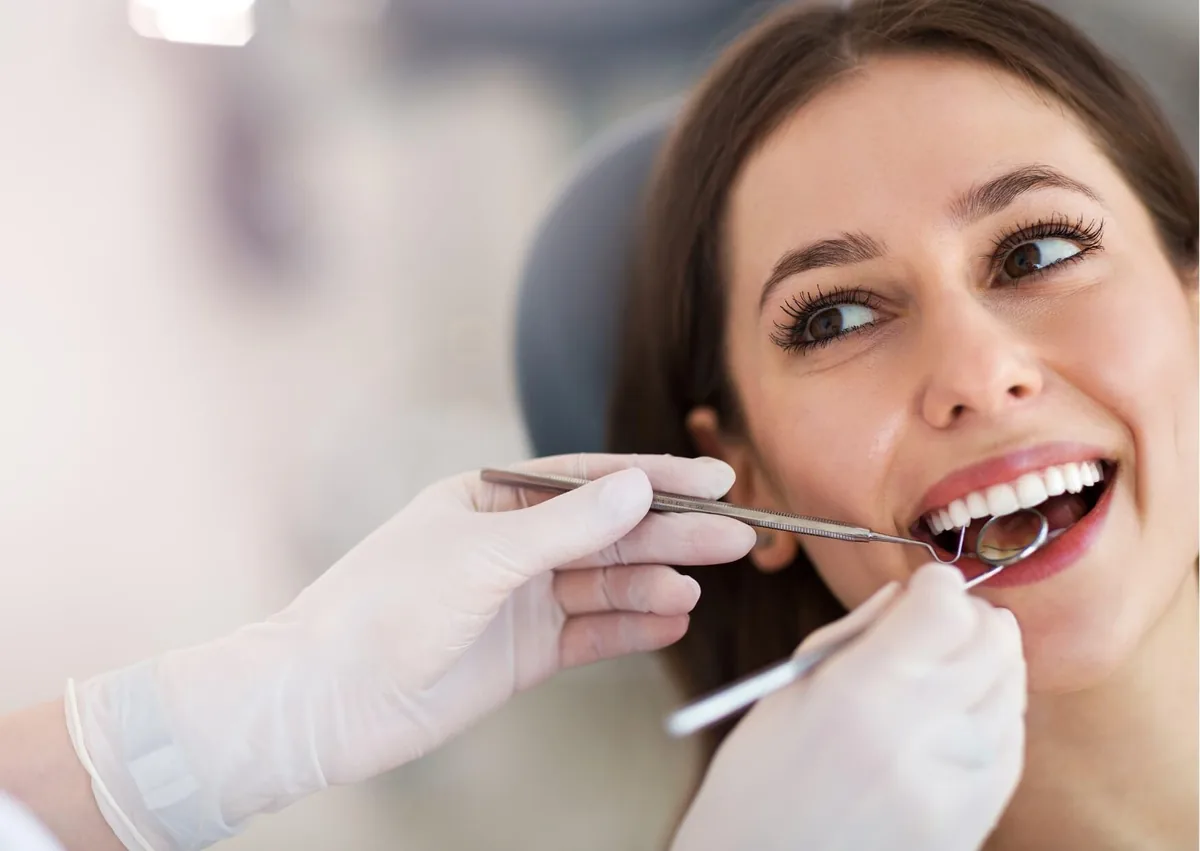
A good consultation should leave you with a clear sense of what is optional, what is necessary for health, and which option preserves the most sound tooth structure. Bring examples of results you like, ask to review similar cases, and base your decision on clinical fit rather than photos alone.
If you're ready to review personalized before-and-after options and a realistic treatment sequence, request a consultation that outlines the proposed procedures, timing, and expected outcomes.
Contact Farhoumand Dentistry for a smile makeover consultation in Vienna, VA, serving nearby Tysons Corner and Arlington; call (703) 636-2442 to schedule.
Cost varies widely because a smile makeover can range from whitening or bonding on a few teeth to orthodontics, veneers, crowns, implants, or gum treatment. After an exam, a dental office can provide an itemized estimate and explain whether any part may qualify for insurance based on restorative or medical need.
Longevity depends on the procedures used, the materials chosen, bite forces, home care, and the health of the underlying teeth and gums. Whitening usually needs maintenance, bonding may need periodic repair or polishing, and porcelain restorations can last many years but are not permanent for life.
No. Whitening, orthodontics, gum treatment, and conservative bonding can create a major improvement without veneers, especially when the teeth are healthy and structurally sound.
Patients should help choose the general color, length, and overall character of the result. The dentist and dental laboratory also need to account for enamel thickness, underlying tooth color, available space, bite, speech, facial proportions, and the limits of the selected material.
Insurance usually does not cover treatment done only for appearance. It may help when a procedure is needed to restore a decayed, fractured, missing, or functionally compromised tooth, but coverage depends on the specific plan.