
If your teeth look more yellow, dull, or uneven than they used to, whitening strips may seem like the easiest place to start. The short answer is yes, teeth whitening strips can work, but they do not work equally well for every type of stain.
Most whitening strips use a peroxide-based gel that helps break apart stain molecules in enamel, the hard outer layer of the tooth.
According to the ADA’s overview of tooth whitening, peroxide-based ingredients can move into the tooth structure and lighten discoloration. They usually work best on common external stains from coffee, tea, red wine, and tobacco, as well as some gradual yellowing that comes with age.
At Farhoumand Dentistry in Vienna, we offer professional teeth whitening with more predictable, supervised brightening than over-the-counter options.
Whitening strips are less effective for deeper internal discoloration. That type of color change can happen after trauma, certain medications, or developmental changes in the tooth.
In those cases, strips may produce little improvement or make the color look uneven. For many patients, strips are still a reasonable at-home whitening option when the goal is modest brightening rather than a dramatic change.
A dental checkups exam is still the better starting point if there is significant staining, tooth sensitivity, gum irritation, or uncertainty about what is causing the color change.
Whitening strips are thin, flexible pieces coated with a bleaching gel, usually hydrogen peroxide or carbamide peroxide. These ingredients release oxygen that helps break apart pigmented compounds within the outer tooth structure.
That is different from whitening toothpaste, which mainly removes surface buildup through polishing. Strips can go beyond the very top layer, which is why they often create more visible results than toothpaste alone.
Fit matters more than many people expect. If a strip does not sit closely against the tooth surface, some areas may whiten less than others, especially near the gumline or around rotated teeth.
Results also depend on enamel condition. Teeth with smooth, healthy enamel often respond more evenly, while teeth with cracks, worn edges, bonding, crowns, or exposed root surfaces may whiten unpredictably.
In general, yellow-toned teeth respond better than gray-toned teeth. That matters because the color can offer clues about whether the stain is mostly external or deeper within the tooth.
Surface stains from coffee, tea, tobacco, and red wine are common reasons patients see improvement with strips. Mild age-related darkening may also respond, especially when the enamel is otherwise healthy.
Brown or gray discoloration can be more stubborn. Stains linked to older dental trauma, certain antibiotics taken during tooth development, or changes inside the tooth often need professional whitening or a different cosmetic treatment.
When intrinsic discoloration or a long-standing shade mismatch is present, options such as veneers or other cosmetic dentistry treatments may be more reliable than strips.
Not every dark area is a stain. If one tooth becomes darker than the surrounding teeth, it should be evaluated because that pattern may reflect prior injury or nerve changes rather than a simple cosmetic issue.
Whitening strips are not a good first step if you have untreated tooth decay, gum inflammation, or significant sensitivity. Peroxide can irritate already compromised teeth and soft tissue, which may make symptoms worse.
They also do not whiten fillings, crowns, veneers, or bonding. If visible front teeth have restorations, the natural teeth may lighten while the dental work stays the same shade, creating a mismatch.
Patients with gum recession should be cautious as well. Recession exposes root surfaces, which are not covered by enamel and may react more strongly to whitening agents.
If your teeth look blotchy, one tooth is much darker, or the color changed after an injury, a dental evaluation is more useful than trying multiple over-the-counter products. Those patterns often point to causes that strips cannot correct reliably.
The most realistic expectation is a noticeable but limited improvement. For many patients, strips can brighten teeth by a few shades, but the result is usually not the same as in-office whitening.
Changes often appear gradually over days to weeks rather than after one use. Some teeth whiten evenly, while others show more change on the flatter front surfaces than around the edges or between crowded teeth.
Whitening strips are best viewed as a maintenance or entry-level cosmetic option, not a substitute for a full professional whitening plan. That mindset helps patients avoid disappointment and choose the right level of treatment from the start.
Results also fade over time, especially with frequent exposure to staining foods and drinks. Maintenance needs vary, which is another reason a dentist can help set realistic expectations.
Both options aim to lighten tooth color, but they differ in strength, precision, and supervision. Research comparing strips with dentist-supervised whitening found greater color alteration with the professionally guided approach. Professional whitening is usually more effective for deeper or more stubborn discoloration.
| Option | Best For | Main Advantages | Main Limits |
| Whitening strips | Mild to moderate staining | Convenient, lower cost, easy to find | Less customized, slower, may whiten unevenly |
| Custom take-home trays from a dentist | Moderate staining, patients wanting more control | Better fit, more even contact, professional oversight | Higher cost than strips |
| In-office whitening | Faster visible change, event-driven whitening, stubborn stains | Stronger treatment, close monitoring, quicker results | Higher cost, temporary sensitivity can occur |
Professional care also matters when sensitivity is a concern. A dentist can determine whether discomfort is related to exposed dentin, enamel wear, decay, or gum recession before whitening begins.
That kind of screening is easy to miss with store-bought products. It is one reason many patients choose teeth whitening under professional supervision.
The most common side effect is temporary tooth sensitivity, especially to cold air or cold drinks. Mild gum irritation can also happen if the gel stays in contact with soft tissue for too long. Studies on bleaching sensitivity show that this is a well-recognized effect of peroxide whitening.
These effects are often short-lived, but they should not be ignored if they become intense or persistent. Whitening should not feel like severe pain.
Stop using whitening strips and contact a dentist if you have sharp lingering pain, swelling, bleeding gums, visible damage to the teeth, or a tooth that suddenly looks much darker than the others. Those signs may point to decay, pulp inflammation, trauma, or gum disease rather than a simple cosmetic issue.
If sensitivity lasts beyond the whitening period or keeps returning, your teeth should be examined before you try another product. General whitening information is helpful, but it cannot replace an evaluation of the actual cause of symptoms.
Whitening strips are usually worth trying when the teeth are generally healthy, the staining is mild to moderate, and the goal is a modest improvement at a lower cost. They are a better fit when expectations are realistic and the smile does not include visible restorations that need color matching.
They are less worthwhile when the discoloration is severe, uneven, or unexplained. In those situations, patients often spend more time and money cycling through over-the-counter products than they would by getting a professional opinion early.
A simple rule can help. If the stains seem straightforward and the teeth feel comfortable, strips may be a reasonable first step.
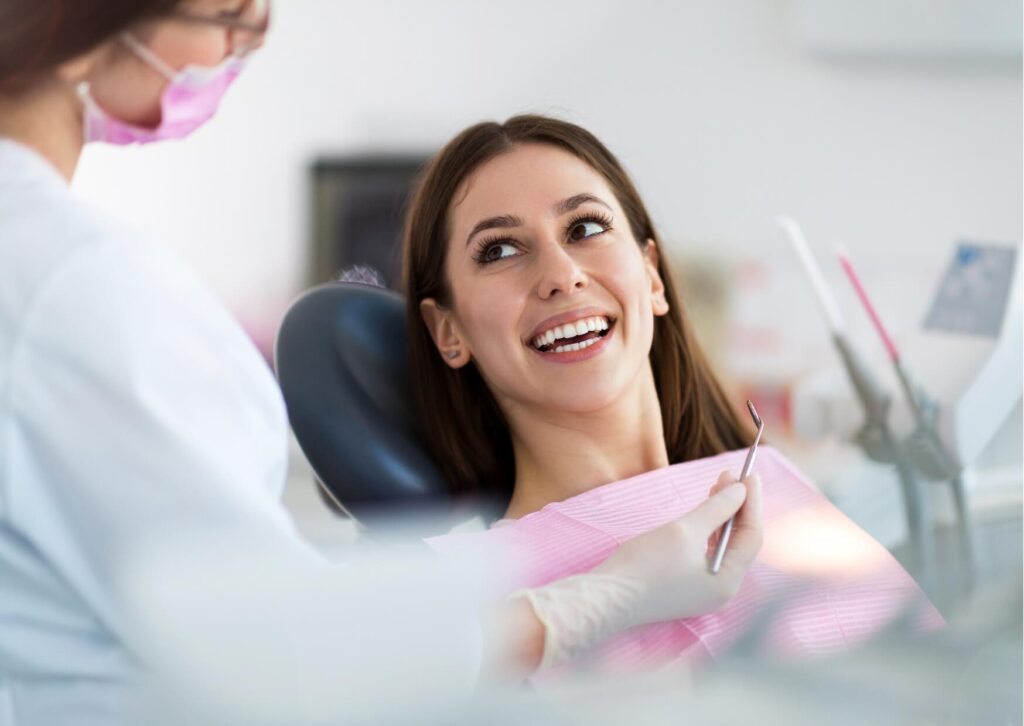
If the color change is unusual, the teeth are sensitive, or previous whitening has not worked, a dental exam is the safer and more efficient next move. That approach keeps the decision grounded in oral health rather than marketing.
It also makes it easier to choose between whitening strips, custom trays, in-office whitening, or restorative options based on what your teeth actually need.
For professional teeth whitening in Vienna and nearby areas such as Tysons Corner and McLean, Farhoumand Dentistry can help; call (703) 636-2442 to schedule a consultation.
Often, yes. Yellow-toned teeth usually respond better than gray-toned teeth, especially when the discoloration is related to surface stains or gradual age-related darkening.
Results vary. They may last for months, but staining habits, enamel condition, and the original cause of discoloration all affect how quickly teeth darken again.
When used as directed, they do not usually damage healthy teeth. Still, they can trigger sensitivity or gum irritation, and they may aggravate untreated dental problems.
Uneven whitening can happen when strips do not fully contact every tooth surface or when some teeth have restorations, enamel wear, internal discoloration, or different stain patterns.
If there is tooth pain, sensitivity, gum recession, visible dental work, a dark single tooth, or unexplained discoloration, yes. A dental evaluation can help determine whether whitening is appropriate and which option is most likely to work.