
Dental implants often last 20 years or longer, and many can remain successful for a lifetime with healthy bone, good home care, and regular dental visits. Long-term survival rates support that expectation for well-maintained implant fixtures.
The visible crown usually does not last as long and may need replacement after about 10 to 15 years, which is consistent with the typical crown lifespan, though results vary.
If you're deciding how best to replace missing teeth or improve long-term chewing comfort, dental implants offer a predictable solution that restores function and appearance with artificial tooth roots. Farhoumand Dentistry in Vienna, VA provides experienced evaluation and treatment planning to help you understand whether implants suit your needs.
The implant fixture is usually made of titanium or another biocompatible material and placed into the jawbone. As it heals, the bone bonds closely to it through osseointegration, creating a stable foundation that can last for decades.
The restoration above the gums handles daily chewing forces, so it is more likely to need repair or replacement first. A crown can chip, loosen, wear down, or become less attractive over time even when the implant underneath remains healthy.
If the visible portion wears out, a dentist can often replace only that part with an implant restoration without removing a well-integrated fixture. For more on materials and longevity, see types of dental crowns.
|
Implant Component |
Typical Expectation |
Why It May Need Attention |
|---|---|---|
|
Implant fixture |
Often 20 years or longer, potentially lifelong |
Bone loss, inflammation, smoking, or excessive force |
|
Abutment |
Often many years |
Loosening, wear, or fracture |
|
Crown |
Commonly about 10 to 15 years |
Wear, chipping, decay in nearby teeth, or cosmetic changes |
|
Implant bridge or denture |
Varies by design and use |
Wear of teeth or attachments, fit changes, or fracture |
These are general estimates, not guarantees. Implant location, bite strength, medical history, restoration design, and maintenance all affect the outcome.
Long-term success starts with careful diagnosis and precise placement. A dentist needs to evaluate bone volume, gum health, bite forces, spacing, and nearby anatomy before recommending treatment.
Daily plaque control matters just as much. An implant cannot get a cavity, but bacteria can still inflame the surrounding gums and bone and lead to peri-implant disease.
Factors that may shorten implant life include:
Grinding does not automatically rule out implants. It can, however, increase the risk of mechanical complications, so a dentist may recommend a stronger restoration design or a custom night guard.
Many adults with one or more missing teeth may be candidates for implants. Strong candidates usually have healthy gums, enough bone support, manageable medical conditions, and the ability to keep the area clean.
Limited bone does not always prevent treatment. bone grafting , sinus augmentation, or a different implant position may still make treatment possible, although these steps can add time and complexity.
A full evaluation often includes a dental and medical history, an exam of the gums and bite, and 3D imaging when needed. Some patients also need coordination with a physician if a health condition or medication could affect healing, bleeding, or bone metabolism.
After planning, the implant is placed in the jaw under local anesthesia, and sedation may be considered in some cases. The area then heals while the implant integrates with the bone, which often takes several months depending on the site, bone quality, and whether grafting was needed.
A temporary tooth may be possible during healing, but immediate loading is not right for every case. Once healing and stability are confirmed, the abutment and final crown, bridge, or implant-supported denture are attached.
If you want a fuller timeline, see how tooth implant takes. A balanced bite and precise restoration fit help reduce excess stress and make the implant easier to maintain.
Implants are often chosen because they replace a missing tooth without reshaping healthy neighboring teeth. They also direct chewing pressure into the jawbone, which may help preserve bone in that area, although normal biological changes can still occur over time.
A conventional bridge can be a good option when neighboring teeth already need crowns or when implant surgery is not appropriate. A removable partial denture usually costs less at first and avoids surgery, but it may move during use and often needs adjustment as the mouth changes.
For pricing details, see cost of dental implants. Specific designs such as All-on-4 dental implants may also be appropriate for some patients missing many teeth.
|
Option |
Support |
Typical Practical Consideration |
|---|---|---|
|
Dental implant |
Jawbone |
Long-lasting and independent of adjacent teeth, but requires surgery and healing |
|
Fixed dental bridge |
Neighboring teeth |
Faster in many cases, but supporting teeth usually must be reshaped |
|
Removable partial denture |
Teeth and gums |
Removable and often less costly initially, but may feel less stable |
No option is best for everyone. Bone condition, health history, number and location of missing teeth, treatment time, maintenance needs, and budget should all be part of the decision.
Brush twice a day and clean around the implant every day using the method your dental team recommends. Floss, interdental brushes, or a water flosser may all help depending on the restoration design.
Professional maintenance is also important. Regular dental cleanings and checkups help identify inflammation, bite changes, loose components, or restoration wear before a small issue becomes a larger one.
To learn more about why those visits matter, see routine dental appointments. Avoid tobacco, manage medical conditions carefully, and do not use implant teeth to bite hard objects or open packages.
If you clench or grind, ask whether a night guard or bite adjustment is appropriate. Those steps can help protect both the restoration and the implant over time.
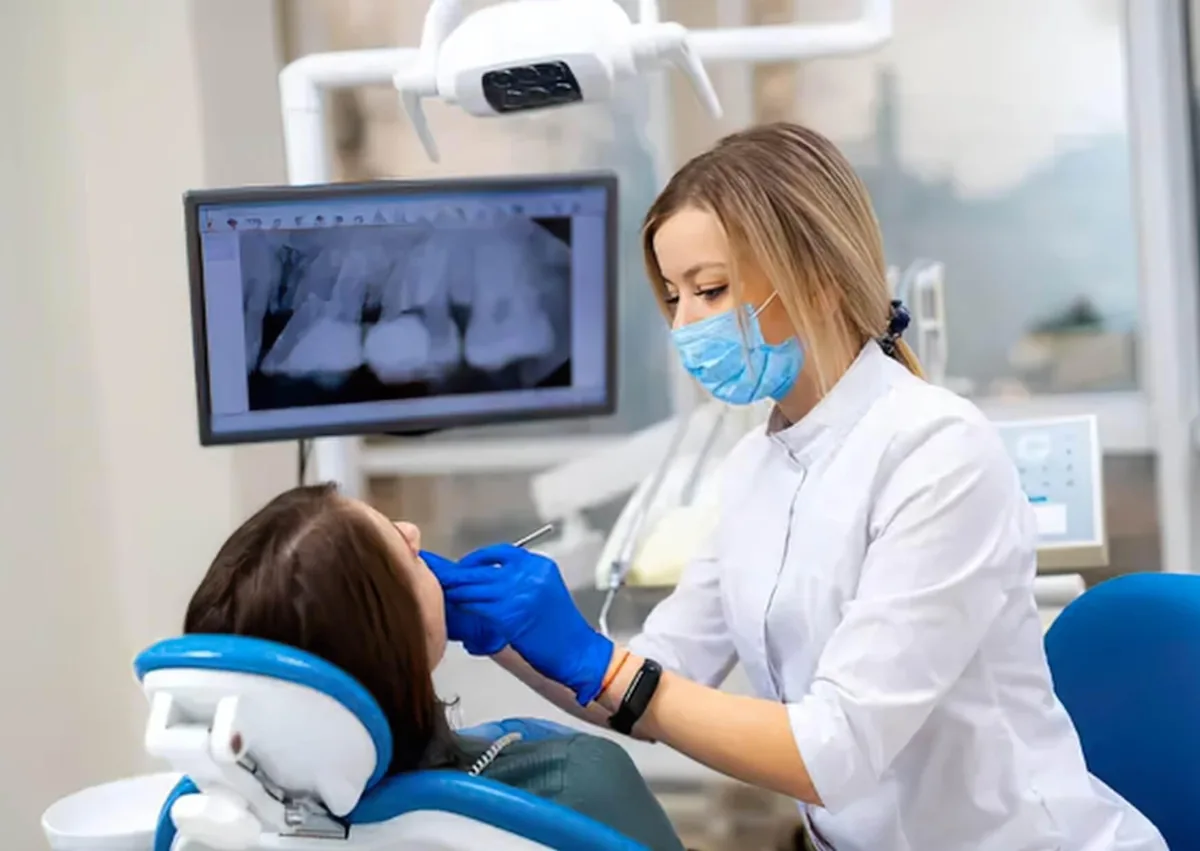
A healthy implant should feel stable and comfortable. Contact a dentist promptly if you notice movement, repeated bleeding, swelling, drainage, a persistent bad taste, pain when biting, gum recession, or exposed metal.
A loose crown or abutment does not always mean the implant itself has failed. Still, chewing on a loose restoration can worsen the damage and should be checked quickly.
Rapid swelling, fever, spreading facial swelling, difficulty swallowing, or difficulty breathing requires urgent assessment. Seek emergency care right away for breathing or swallowing problems.
Dental implants can provide decades of function, but longevity depends on careful case selection, precise treatment, a maintainable restoration, and ongoing care. It is also reasonable to expect that the crown may eventually need repair or replacement even if the implant fixture remains secure.
A personalized exam can clarify bone support, gum health, bite risks, likely treatment stages, and suitable alternatives. That kind of evaluation gives you a more useful prognosis than any general lifespan estimate.
To confirm implant suitability and plan a durable outcome, arrange a clinical exam and imaging so your dentist can assess bone, gums, and bite. Farhoumand Dentistry focuses on dental implants in Vienna and nearby Tysons Corner, VA and McLean; call (703) 636-2442 to schedule a consultation.
Yes, the implant fixture may last a lifetime, but no dentist can guarantee that result. The crown or other restoration attached to the implant is more likely to need repair or replacement over time.
The implant and crown cannot decay like a natural tooth. However, plaque can still cause inflammation and bone loss around the implant, and nearby natural teeth can still get cavities.
If the implant and abutment are still healthy, a dentist can often replace the crown without removing the implant fixture. An exam and imaging may be needed to confirm that the foundation is stable.
Not every implant problem requires removal. A loose restoration may be repairable, while an implant with major infection, fracture, or loss of bone support may need to be removed and possibly replaced later.
The right schedule depends on gum health, cleaning ability, smoking status, diabetes control, and any history of periodontal disease. Many patients are checked during routine exams and cleanings at least twice a year, while higher-risk patients may need more frequent maintenance.


